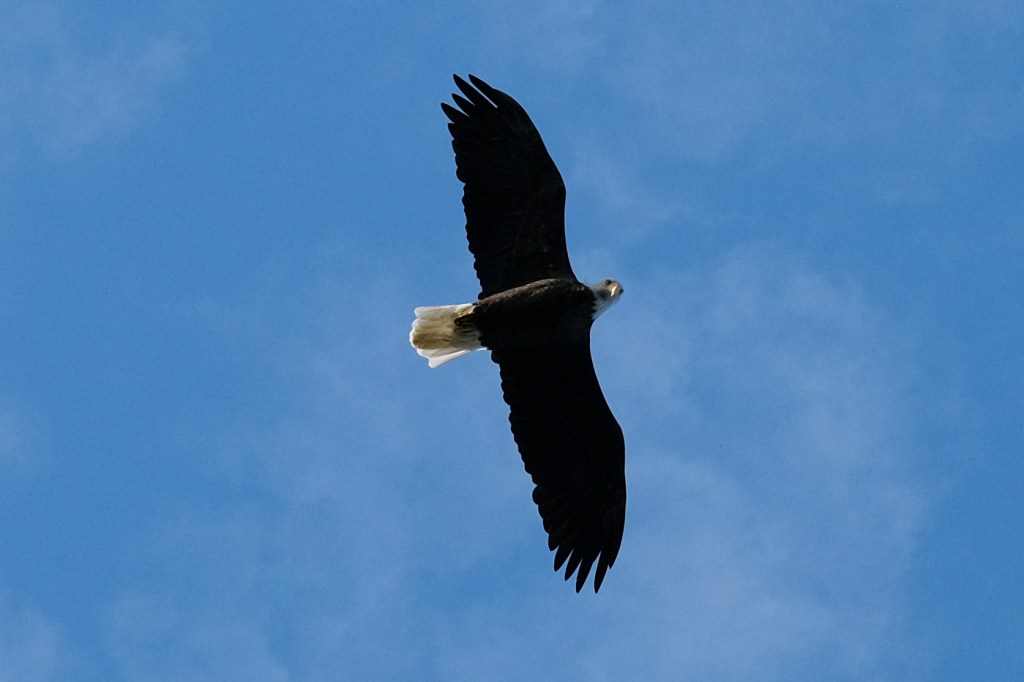
Happiness is to love birds. To love a bird you can simply just admire them. You can view them from afar. You can think about how beautiful their feathers look. You can enjoy their beautiful song. A song that isn’t meant for you, but you get to listen. You can celebrate when they successfully find a meal. You can be full of joy to see them with their family. You can feel that deep connection when you see a familiar bird. You can simply love them and expect nothing in return except for receiving the gift of their presence.
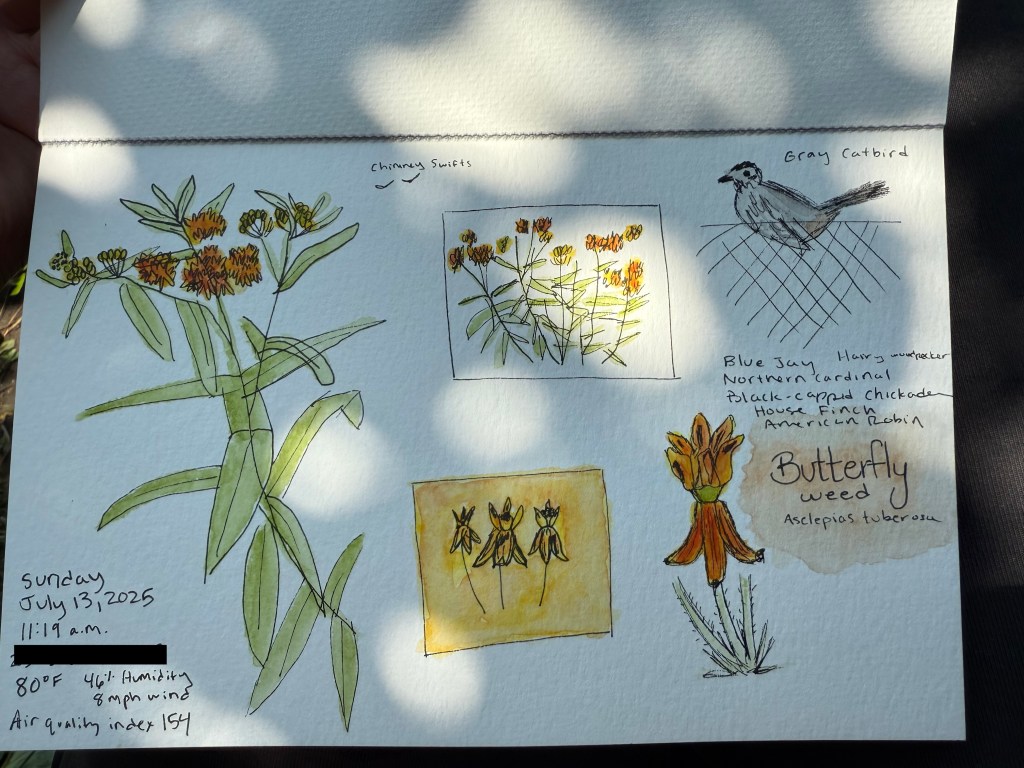
You can feel appreciation and fulfillment. When you see that bird enjoying the fresh water in the bird bath that you provided for them on a hot day. When you see the Ruby-throated Hummingbird enjoying the Butterfly Weed that you planted years ago. That’s love in action.
Can’t have light without the dark
Of course it’s not an endless stream of happiness to love a bird.
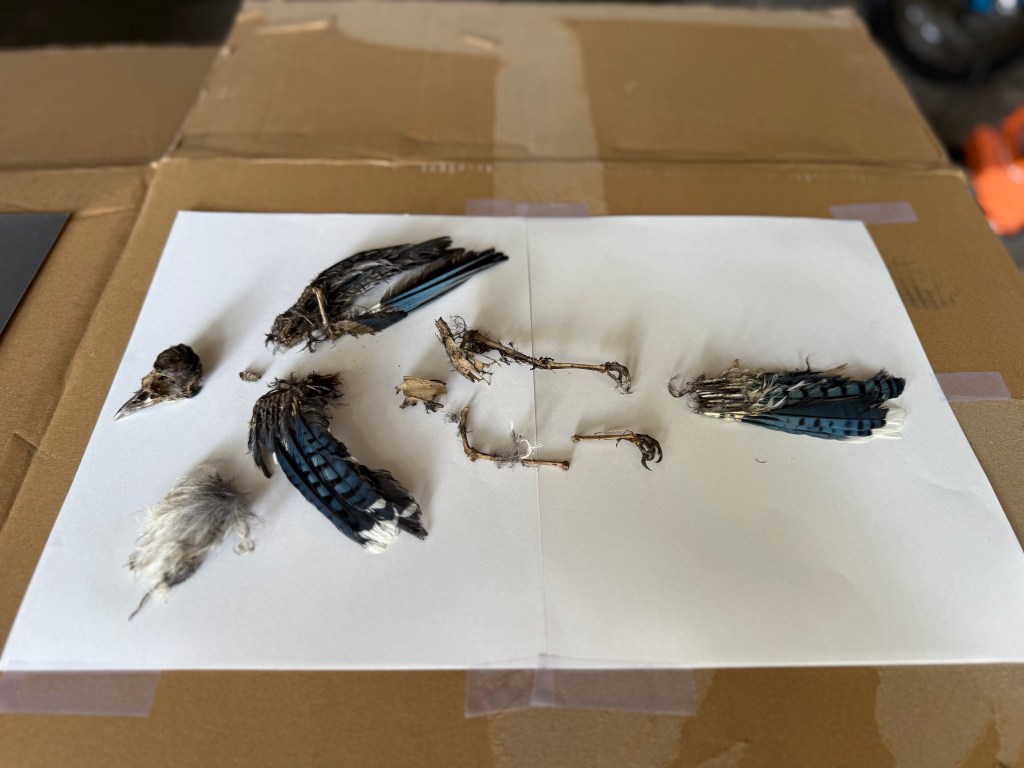
You might face sadness and grief. Maybe your beloved backyard Northern Cardinal didn’t have a successful nesting season. Maybe you found a dead bird in your backyard. This might be painful. To feel and grieve for what those birds lost, and what you’ve lost.
You might feel angry when you see birds compete for resources. You might feel anxiety when you’re hoping for a specific outcome. And you might feel fear when that Red-winged Blackbird has determined that you’re a threat to its nest.
Boundaries
You’ll need to set boundaries with your beloved birds to protect yourself and them. You won’t get too close. You’ll stay quiet. You’ll take action. Or you’ll resist the urge to take action if taking action could make things worse. You’ll take care of yourself so that you can show up for the birds in ways that support their lives.
Are we loved in return?
Do birds love us? I’d like to think so, in their own way. Some bird species have the ability to recognize people. They can take comfort being around us. Some birds will eat seeds out of the palm of the hand. That’s trust.
Trust
Can birds betray our trust? Yes, but not intentionally. Bird behaviors are based on survival instincts and not moral reasoning. Birds don’t know “right from wrong.”
It goes without saying that we have the ability to betray birds, both unintentionally and intentionally. Therefore we have the responsibility to minimize harm, be respectful, and act out of curiosity and compassion and not exploitation.
In closing
I hope this post has helped you consider how meaningful bird watching can be. How our relationships can bring happiness and grief. How intimacy and trust can be built and destroyed. How there are some variables that you can control and others that you can’t.
That the bravest thing you can do is love.


 Being & Birds